
Gone with the Wind Cost: A Complete Breakdown of One of Hollywood’s Most Expensive Classics
Introduction
When people talk about classic cinema, few films are mentioned as often as Gone with the Wind. Released in 1939, the movie is widely remembered for its epic storytelling, unforgettable characters, and grand scale. However, one aspect that continues to fascinate film historians and movie lovers alike is the Gone with the Wind cost. At a time when Hollywood budgets were far more modest than today, the financial investment behind this production was enormous. Understanding the full Gone with the Wind cost means exploring not only the initial budget but also the hidden expenses, production delays, marketing efforts, and long-term financial impact that turned the film into one of the most successful movies in history.
Historical Context: Hollywood Budgets in the 1930s
To truly understand the Gone with the Wind cost, it is important to look at the Hollywood landscape of the late 1930s. During this era, most films were produced for budgets ranging from a few hundred thousand dollars to about one million dollars. Studios operated under tight financial controls, and extravagant spending was often discouraged. Against this backdrop, the cost of producing Gone with the Wind stood out dramatically. The film’s scale, length, and ambition pushed financial boundaries and redefined what studios believed was possible for a single production.
| Category | Estimated Cost (1939) | Adjusted Cost (Today) |
|---|---|---|
| Initial Production Budget | $2.5 Million | $50+ Million |
| Final Production Cost | $4.25 Million | $80+ Million |
| Marketing & Promotion | $500,000 | $10+ Million |
| Technicolor Filming | $600,000 | $12+ Million |
| Total Estimated Investment | $5+ Million | $90+ Million |
Original Budget Estimates for Gone with the Wind
When production was first planned, the estimated Gone with the Wind cost was approximately $2.5 million. Even this initial figure raised eyebrows within the industry. Producer David O. Selznick believed strongly in the story’s potential and was willing to invest heavily to ensure the film matched the epic nature of the novel. However, as production progressed, it became clear that the original budget was unrealistic. Script rewrites, casting changes, and extended filming schedules quickly drove costs higher than anticipated.
Casting Decisions and Their Impact on Cost
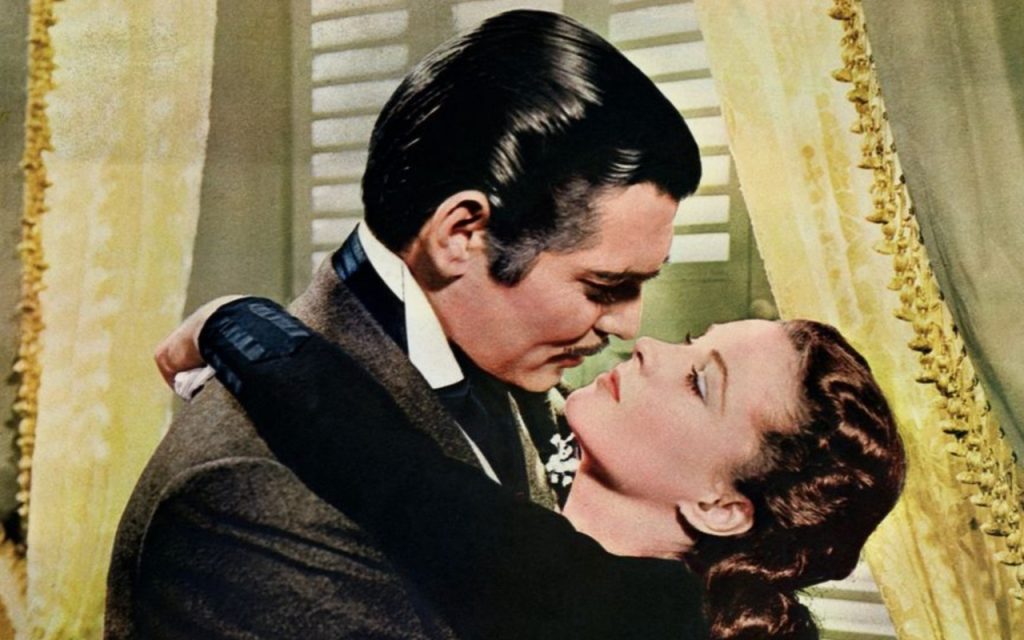
One major factor influencing the Gone with the Wind cost was the casting process. The search for the perfect Scarlett O’Hara was famously long and expensive. Hundreds of actresses were considered before Vivien Leigh was ultimately cast. This prolonged search required screen tests, publicity campaigns, and delays in production, all of which increased expenses. Additionally, securing Clark Gable for the role of Rhett Butler required complex financial negotiations between studios, further raising the overall Gone with the Wind cost.
Production Delays and Script Rewrites
Another critical element contributing to the Gone with the Wind cost was the number of production delays and script rewrites. Multiple writers worked on the screenplay, often making changes during filming. Each rewrite meant additional shooting days, revised sets, and increased labor costs. These ongoing adjustments reflected Selznick’s perfectionism, but they also significantly inflated the final Gone with the Wind cost beyond early projections.
Set Design, Costumes, and Visual Scale
The visual grandeur of Gone with the Wind is one of its defining features, and achieving this look required a massive financial commitment. The Gone with the Wind cost included the construction of elaborate sets, many of which were among the largest ever built at the time. The iconic burning of Atlanta scene alone required extensive resources. Costume design was another major expense, with thousands of historically accurate outfits created specifically for the film. These elements contributed greatly to the rising Gone with the Wind cost while also establishing the movie’s timeless aesthetic.
Technicolor Filming and Technical Expenses
Filming in Technicolor was still relatively new and extremely expensive in the late 1930s. Choosing this format added a substantial amount to the Gone with the Wind cost. Technicolor cameras were bulky, required more lighting, and increased production time. However, this investment paid off by giving the film its rich, vibrant look, which remains one of its most praised qualities today. The technical expenses associated with color filming played a crucial role in shaping the final budget.
Music, Sound Design, and Post-Production Costs
The Gone with the Wind cost also extended into post-production, particularly in the area of music and sound. Composer Max Steiner created one of the most iconic film scores in history, and the recording process involved large orchestras and extensive studio time. Editing such a lengthy film also required significant resources. These post-production elements were essential in enhancing the emotional impact of the story but added yet another layer to the overall Gone with the Wind cost.
Marketing and Promotion Expenses
Marketing played a vital role in ensuring the film’s success, and it was far from inexpensive. The Gone with the Wind cost included a massive promotional campaign, featuring premieres, press tours, and extensive advertising. The Atlanta premiere alone was a major event, complete with parades and celebrations that attracted national attention. These marketing efforts helped generate anticipation and contributed to the film’s record-breaking box office performance, justifying the high promotional expenses.
Total Production Cost at the Time of Release
By the time Gone with the Wind was completed, the final Gone with the Wind cost had reached approximately $3.9 to $4.25 million. This made it the most expensive film ever produced at that time. While this figure may seem modest by modern standards, it was an extraordinary investment in 1939. Studios closely watched the film’s performance, as its success or failure would have major implications for the future of big-budget filmmaking.
Adjusted Cost in Today’s Dollars
When adjusted for inflation, the Gone with the Wind cost becomes even more impressive. Estimates suggest that the film’s production budget would equal well over $80 million in today’s currency. Some calculations place it even higher, depending on the inflation model used. This perspective highlights just how ambitious the project was and why it remains a benchmark for understanding historical film budgets.
Box Office Success and Return on Investment
Despite its massive budget, the Gone with the Wind cost proved to be a wise investment. The film earned more than $390 million worldwide during its original run and subsequent re-releases, making it one of the highest-grossing films of all time when adjusted for inflation. The enormous box office returns far exceeded the initial Gone with the Wind cost, solidifying the film’s status as a financial triumph and a cornerstone of cinematic history.
Legacy: How Gone with the Wind Cost Changed Hollywood
The impact of the Gone with the Wind cost extends far beyond the film itself. Its success demonstrated that audiences were willing to support large-scale, expensive productions if the storytelling and presentation were compelling. This realization influenced future epics and helped pave the way for big-budget filmmaking as a standard practice in Hollywood. The film’s legacy is inseparable from its cost, as it reshaped industry expectations and financial strategies.
Conclusion
The story of the Gone with the Wind cost is more than just a tale of numbers and budgets. It represents a turning point in film history, where ambition, risk, and artistic vision came together to create something extraordinary. By examining the many factors that contributed to the Gone with the Wind cost, we gain a deeper appreciation for the challenges and achievements behind this cinematic masterpiece. Even decades later, the film’s financial journey continues to inspire filmmakers and captivate audiences around the world.
FAQs
What was the original Gone with the Wind cost?
The original estimated Gone with the Wind cost was around $2.5 million, but the final budget rose significantly due to production challenges.
Why was the Gone with the Wind cost so high for its time?
The cost was high because of casting delays, Technicolor filming, elaborate sets, costume design, and extensive marketing efforts.
How much did Gone with the Wind cost in today’s money?
When adjusted for inflation, the Gone with the Wind cost is estimated to be over $80 million in today’s dollars.
Did the film recover its production cost?
Yes, the movie earned far more than its production budget and became one of the highest-grossing films of all time.
How did the Gone with the Wind cost influence Hollywood?
The film proved that large budgets could lead to massive success, encouraging studios to invest in epic, high-quality productions.


