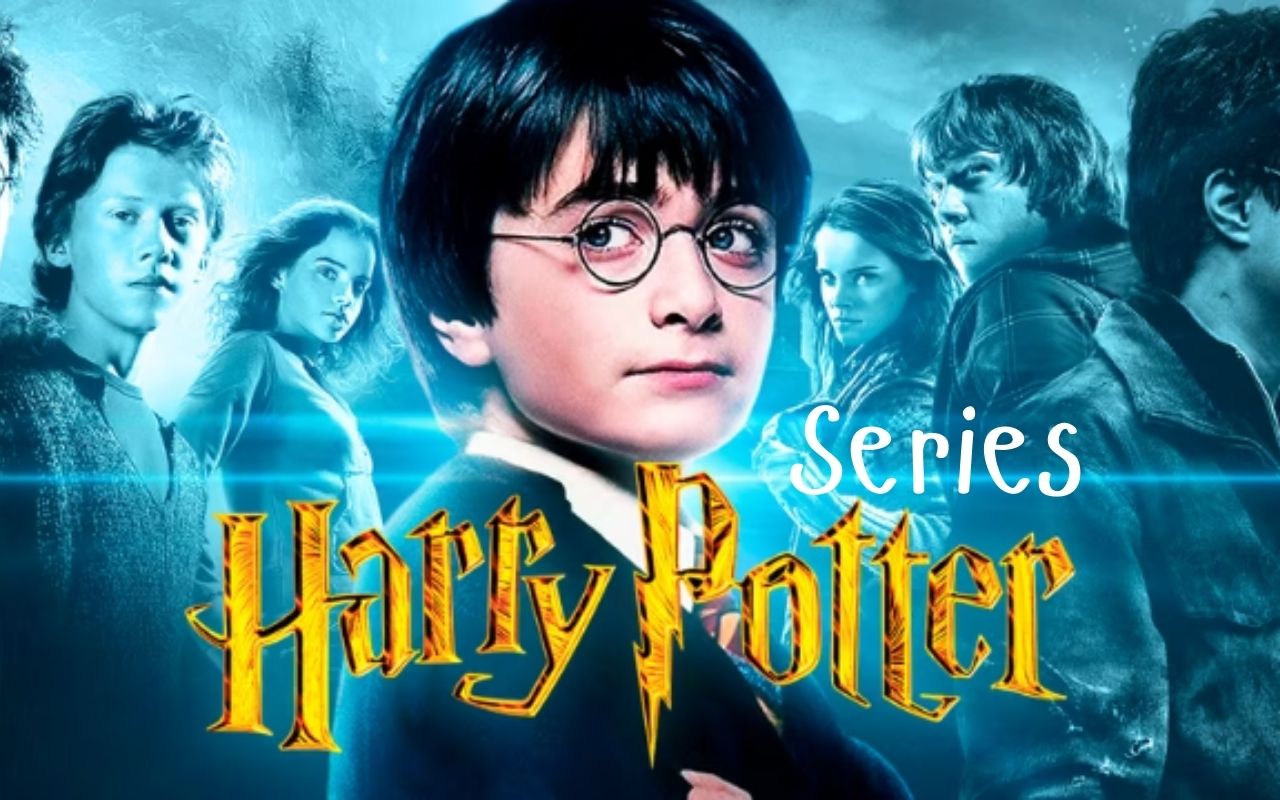
Harry Potter Series Cost: A Complete Breakdown of Movies, Books, Production, and Legacy Expenses
Introduction
The Harry Potter Series cost is one of the most discussed topics in the history of modern entertainment. From the early days of adapting J.K. Rowling’s books into films to the massive global franchise it has become today, the financial scale of the Harry Potter universe is staggering. Fans often wonder how much the movies cost to make, how expensive the books are to own, and how the franchise continues to generate billions of dollars decades after its debut. The Harry Potter Series cost is not limited to movie budgets alone; it includes book publishing, marketing, merchandise, theme parks, streaming rights, and long-term brand expansion.
This article explores every aspect of the Harry Potter Series cost, offering a full picture of how money shaped the wizarding world. From production budgets and casting salaries to book prices and franchise investments, we examine the real financial commitment behind one of the most successful series ever created.
The Origin of the Harry Potter Franchise and Its Early Financial Scope
Before the films were made, the Harry Potter Series cost was relatively modest. J.K. Rowling’s first book, Harry Potter and the Philosopher’s Stone, was published in 1997 with a small initial print run. At that time, no one could predict the immense financial impact the story would have. The early publishing costs were limited, covering editing, printing, and distribution, but sales quickly exceeded expectations.
As book sales grew worldwide, publishers increased their investment, expanding translations, marketing campaigns, and global distribution. This early growth laid the foundation for what would soon become a massive financial ecosystem. The Harry Potter Series cost at this stage was still small compared to what was coming, but it marked the beginning of a global phenomenon.
Total Production Cost of the Harry Potter Film Series
When Warner Bros. acquired the rights to produce the films, the Harry Potter Series cost entered a completely new financial category. Across eight films released between 2001 and 2011, the total production budget is estimated to be around $1.2 billion. Each movie had its own budget, increasing significantly as the series progressed.
| Category | Description | Estimated Cost |
|---|---|---|
| Movie Production | Filming, sets, costumes, props, and special effects for all eight films | $1.2 Billion |
| Visual Effects | CGI magic, creatures, action scenes, and post-production technology | $300+ Million |
| Actor Salaries | Payments to main cast and supporting actors across the series | $400+ Million |
| Marketing & Promotion | Global advertising campaigns, premieres, and media promotions | $150–200 Million |
| Book Publishing | Printing, translations, special editions, and worldwide distribution | $100+ Million |
| Merchandise & Licensing | Toys, clothing, collectibles, games, and licensed products | $1+ Billion |
| Theme Parks | Wizarding World attractions, construction, and ongoing maintenance | $500+ Million |
The first film had a production cost of approximately $125 million, which was considered a major investment at the time. Later films, such as Harry Potter and the Half-Blood Prince and Harry Potter and the Deathly Hallows, had budgets exceeding $250 million each. These costs covered sets, visual effects, costumes, props, filming locations, and post-production work.
The rising Harry Potter Series cost reflected the growing ambition of the films, with more complex storylines, darker themes, and advanced special effects.
Visual Effects and Technology Expenses in the Harry Potter Films
A significant portion of the Harry Potter Series cost was dedicated to visual effects and cinematic technology. Creating magical spells, mythical creatures, flying broomsticks, and enchanted environments required cutting-edge CGI and practical effects.
Each film relied on multiple visual effects studios, employing hundreds of artists and technicians. As technology evolved, later films used more advanced techniques, increasing costs but also improving visual realism. These expenses were essential in bringing the wizarding world to life and maintaining audience immersion.
Without this investment in technology, the Harry Potter films would not have achieved their iconic visual identity, making visual effects a crucial element of the Harry Potter Series cost.
Set Design, Costumes, and Props: Crafting the Wizarding World
Another major factor contributing to the Harry Potter Series cost was the detailed design of sets, costumes, and props. Hogwarts Castle alone required massive construction, with multiple versions built for different filming needs. Diagon Alley, the Ministry of Magic, and the Great Hall were all intricately designed to appear authentic and immersive.
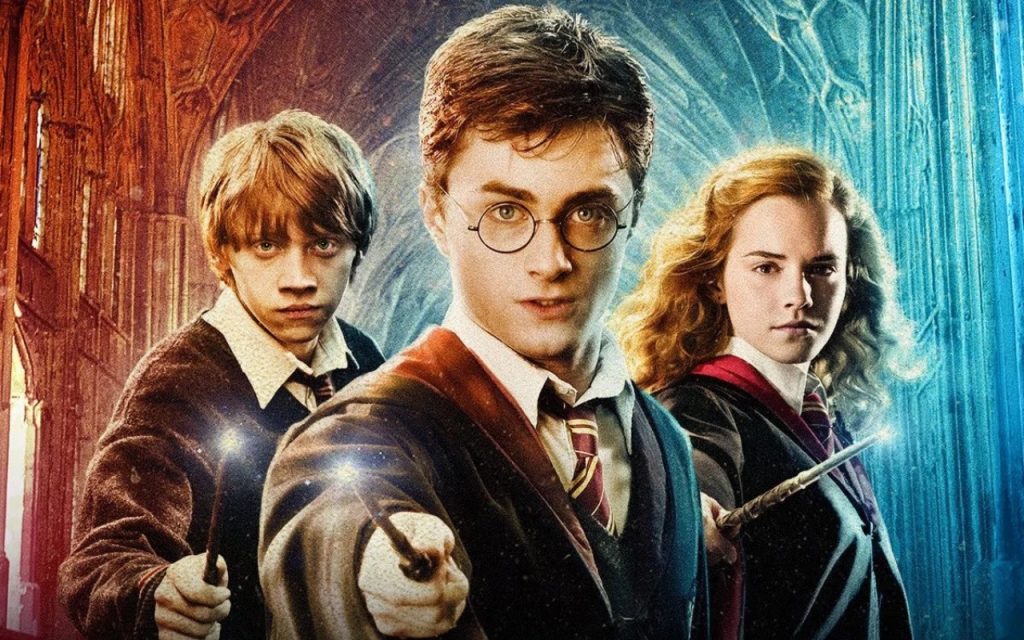
Costume designers created thousands of outfits, from school robes to elaborate wizarding attire. Props such as wands, spell books, and magical artifacts were custom-made, often in multiple versions for different scenes. These physical elements added authenticity but significantly increased production costs.
The attention to detail in set and costume design is a key reason why the Harry Potter films remain visually impressive even years after their release.
Actor Salaries and Cast-Related Expenses
As the series gained popularity, actor salaries became a major component of the Harry Potter Series cost. The main cast, including Daniel Radcliffe, Emma Watson, and Rupert Grint, began with modest paychecks but earned significantly more as the franchise grew.
By the final films, the lead actors were earning tens of millions of dollars each. Supporting actors, many of whom were established British performers, also received competitive salaries. These costs reflected the importance of retaining the original cast, which was crucial to the series’ continuity and success.
Actor compensation is one of the most visible aspects of the Harry Potter Series cost, highlighting how star power influences film budgets.
Marketing and Promotion Costs Across the Global Market
Marketing played a massive role in the Harry Potter Series cost. Each film release was accompanied by global promotional campaigns, including trailers, posters, merchandise tie-ins, and media tours. Advertising budgets often reached tens of millions of dollars per film.
These campaigns were essential in maintaining excitement and drawing audiences back to theaters. Marketing also expanded into digital platforms, fan events, and collaborations with brands, further increasing costs. However, the return on investment was substantial, as each film generated massive box office revenue.
Marketing expenses ensured that the Harry Potter name remained culturally dominant throughout the series’ release period.
The Cost of Publishing the Harry Potter Books
Beyond the films, the Harry Potter Series cost includes the ongoing expenses related to book publishing. Printing millions of copies worldwide, translating the books into dozens of languages, and managing global distribution requires significant investment.
Collectors’ editions, illustrated versions, and special box sets add to production costs but also increase revenue. While the books are more affordable for consumers compared to film budgets, their cumulative publishing costs are substantial due to their massive scale.
The books remain a core part of the franchise’s financial structure and continue to generate income years after initial publication.
Home Media, Streaming Rights, and Digital Distribution Costs
The Harry Potter Series cost also extends into home entertainment. DVDs, Blu-rays, digital downloads, and streaming licenses all involve production, distribution, and licensing expenses. Remastered editions and bonus content require additional investment.
Streaming rights deals, in particular, involve complex negotiations and significant financial commitments. These agreements ensure the films remain accessible to new audiences while generating ongoing revenue. The cost of maintaining digital availability is balanced by consistent demand from fans worldwide.
Home media and streaming play a vital role in the long-term financial sustainability of the franchise.
Merchandise and Licensing Expenses
Merchandise is one of the most profitable yet costly areas of the Harry Potter Series cost. Producing toys, clothing, books, collectibles, and games requires manufacturing, quality control, and licensing management.
Licensing agreements allow third-party companies to create official Harry Potter products, but Warner Bros. oversees branding and quality, which involves administrative costs. Despite these expenses, merchandise generates billions of dollars and significantly boosts the franchise’s overall value.
Merchandising has transformed Harry Potter into a lifestyle brand rather than just a book or film series.
Theme Parks and Experiential Investments
One of the largest long-term investments related to the Harry Potter Series cost is the creation of themed attractions. The Wizarding World of Harry Potter at Universal theme parks required hundreds of millions of dollars to design and build.
These parks feature detailed recreations of iconic locations, interactive rides, and themed dining experiences. The cost includes construction, licensing, staffing, and ongoing maintenance. While expensive, these attractions generate continuous revenue and keep the franchise culturally relevant.
Theme parks represent a shift from passive entertainment to immersive experiences, expanding the Harry Potter universe in new ways.
Inflation, Long-Term Value, and Franchise Longevity
When analyzing the Harry Potter Series cost, it is important to consider inflation and long-term value. Production costs from the early 2000s would be significantly higher if adjusted for today’s economic conditions.
Despite these rising costs, the franchise’s longevity ensures continued profitability. Re-releases, anniversaries, and spin-offs help maintain interest and revenue. The Harry Potter Series cost is best understood not as a single expense but as an ongoing investment with sustained returns.
The ability of the franchise to remain relevant decades later highlights the effectiveness of its financial strategy.
Cultural Impact Versus Financial Investment
While the Harry Potter Series cost is undeniably high, its cultural impact arguably outweighs its financial investment. The series has influenced literature, cinema, education, and popular culture worldwide. Schools, libraries, and academic studies continue to reference Harry Potter, adding intangible value to the franchise.
This cultural significance enhances brand strength, making every financial investment more impactful. The emotional connection fans have with the series ensures continued demand, validating the high costs associated with maintaining the franchise.
In this sense, the Harry Potter Series cost is not just about money but about creating a lasting legacy.
Conclusion
The Harry Potter Series cost represents one of the largest and most successful investments in entertainment history. From film production and marketing to books, merchandise, and theme parks, the financial commitment has been immense. However, the returns have been equally extraordinary, with billions of dollars generated worldwide.
More importantly, the franchise has achieved something rare: long-term cultural relevance. The money spent on creating and maintaining the wizarding world has resulted in a timeless legacy that continues to enchant new generations. When viewed through this lens, the Harry Potter Series cost is not just justified—it is a benchmark for how storytelling and strategic investment can create enduring success.
FAQs
What is the total Harry Potter Series cost for all movies?
The total production cost of the eight Harry Potter films is estimated to be around $1.2 billion, excluding marketing and distribution expenses.
Why did the Harry Potter Series cost increase with each movie?
As the story grew more complex, the films required advanced visual effects, larger sets, higher actor salaries, and expanded marketing campaigns.
Does the Harry Potter Series cost include books and merchandise?
Yes, when considering the full franchise, the Harry Potter Series cost includes book publishing, merchandise production, licensing, and theme park investments.
How much did marketing add to the Harry Potter Series cost?
Marketing budgets often added tens of millions of dollars per film, significantly increasing the overall cost but also boosting global box office success.
Is the Harry Potter Series cost still growing today?
Yes, ongoing expenses such as streaming rights, merchandise, theme park maintenance, and new editions continue to add to the total Harry Potter Series cost.