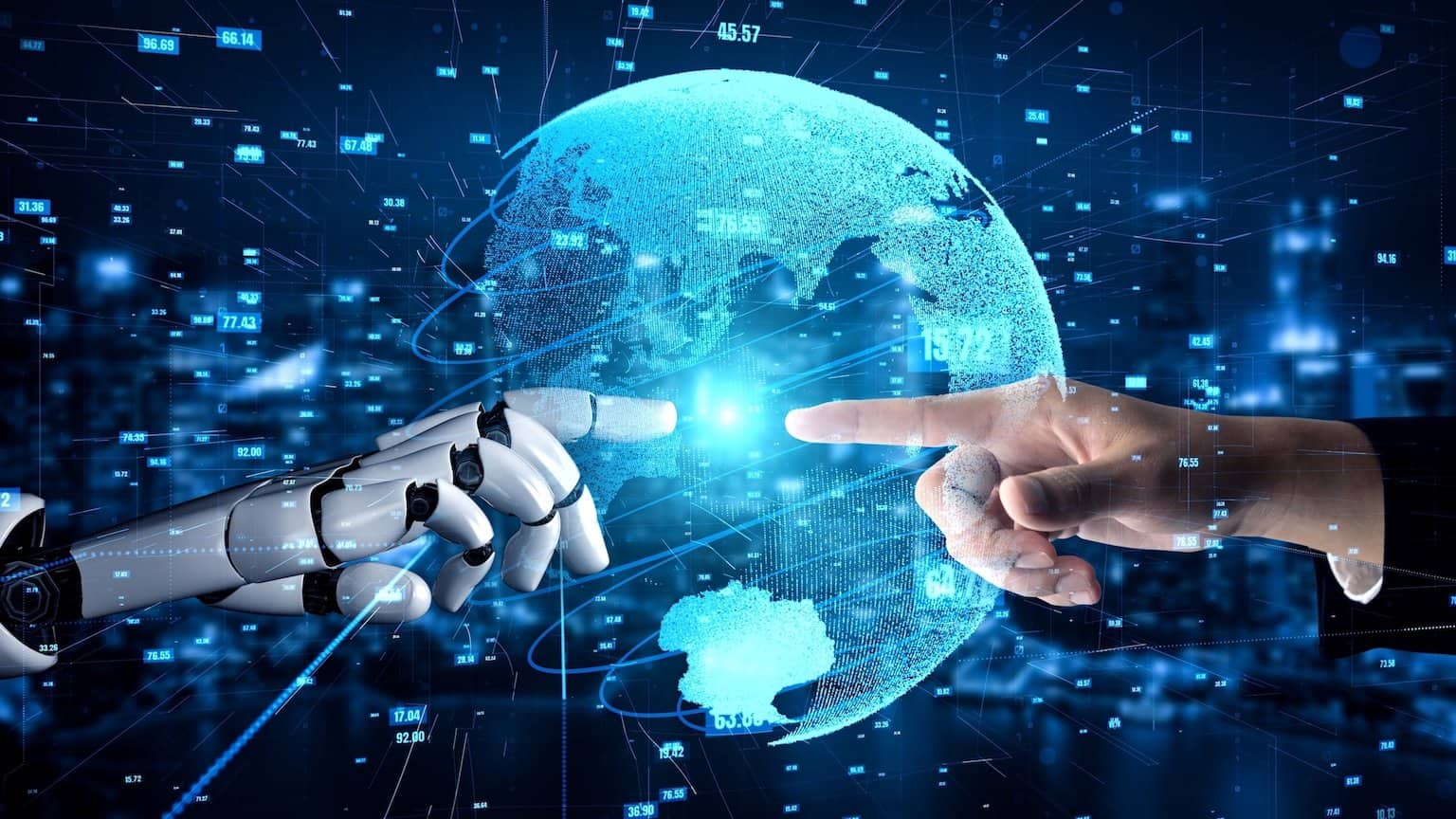
The Role of Technology in Rising Geopolitical Tension
Introduction
In today’s fast-changing world, technology is not just shaping how we live—it is also influencing how nations interact, compete, and sometimes clash. The rise of digital tools, artificial intelligence, cyber capabilities, and global communication networks has added new layers to geopolitical tension across the globe. Countries are no longer only competing for land, resources, or military power; they are now competing for technological dominance. From cyberattacks to digital surveillance and information warfare, technology has become a key driver of global uncertainty. As nations invest heavily in innovation, the balance of power is shifting, creating both opportunities and risks that impact international relations in complex ways.
The Digital Arms Race and Global Power Struggles
One of the most significant ways technology contributes to geopolitical tension is through the modern digital arms race. Nations are investing billions in cybersecurity, artificial intelligence, and advanced military technologies to gain a strategic edge. Unlike traditional weapons, digital tools can be deployed quickly, often without clear attribution, making conflicts harder to detect and control. This has led to increased mistrust among countries, as cyber espionage and hacking incidents become more common. The competition for technological supremacy, especially in areas like AI and quantum computing, is intensifying rivalries between major global powers, further fueling geopolitical tension in an already fragile international environment.
Cybersecurity Threats and International Conflict
Cybersecurity has become a central issue in modern geopolitics. Governments, businesses, and critical infrastructure systems are frequent targets of cyberattacks, which can disrupt economies and threaten national security. These attacks often blur the line between war and peace, as they can be carried out anonymously and without direct military engagement. As a result, nations are constantly on high alert, investing in defensive and offensive cyber capabilities. This ongoing cycle of attack and defense increases geopolitical tension, as countries suspect each other of hostile actions, even when there is limited evidence. The lack of clear global rules for cyber warfare only adds to the uncertainty, making it difficult to prevent escalation.
Social Media, Information Warfare, and Public Influence
Another powerful factor in rising geopolitical tension is the role of social media and digital communication platforms. Information can now spread across the world in seconds, shaping public opinion and influencing political decisions. Governments and other actors use these platforms to promote their narratives, counter opposing views, and sometimes spread misinformation. This form of information warfare can destabilize societies, create division, and weaken trust in institutions. As nations attempt to control the flow of information, tensions rise both within and between countries. The battle for influence in the digital space has become just as important as traditional diplomacy, making technology a critical tool in global power dynamics.
Economic Competition and Technological Innovation
Technology is also at the heart of economic competition between nations. Countries that lead in innovation often gain significant advantages in trade, investment, and global influence. This has led to intense competition in industries such as semiconductors, telecommunications, and renewable energy. Trade restrictions, sanctions, and export controls are increasingly used as tools in this competition, contributing to geopolitical tension. For example, disputes over access to advanced technologies can strain diplomatic relations and disrupt global supply chains. As nations strive to protect their economic interests, technology becomes both a source of growth and a point of conflict in international affairs.
Artificial Intelligence and Military Transformation
The integration of artificial intelligence into military systems is transforming the nature of warfare and increasing geopolitical tension. AI-powered drones, autonomous weapons, and advanced surveillance systems are changing how conflicts are planned and executed. While these technologies can improve efficiency and reduce human risk, they also raise serious ethical and security concerns. The possibility of autonomous weapons making life-and-death decisions without human oversight is particularly alarming. As countries race to develop and deploy these technologies, the risk of miscalculation or accidental conflict grows. This rapid transformation of military capabilities adds another layer of complexity to global security challenges.
The Future of Technology and Global Stability
Looking ahead, the role of technology in shaping geopolitical tension is likely to become even more significant. Emerging technologies such as blockchain, space-based systems, and biotechnology will introduce new opportunities and risks. The challenge for the international community is to find ways to manage these developments responsibly. Cooperation, transparency, and the establishment of global norms will be essential in reducing tensions and preventing conflict. However, achieving this level of collaboration is not easy, as nations often prioritize their own interests over collective security. The future of global stability will depend on how effectively countries can balance competition with cooperation in the technological era.
Conclusion
Technology has become a powerful force in shaping modern geopolitics, influencing everything from military strategy to economic competition and public opinion. While it offers many benefits, it also plays a significant role in increasing geopolitical tension around the world. The rapid pace of innovation, combined with the lack of clear global regulations, creates an environment of uncertainty and mistrust among nations. As countries continue to compete for technological dominance, the risk of conflict remains high. To ensure a more stable and secure future, it is essential for global leaders to work together, establish clear rules, and promote responsible use of technology. Only through cooperation and mutual understanding can the challenges of rising geopolitical tension be effectively managed in the digital age.