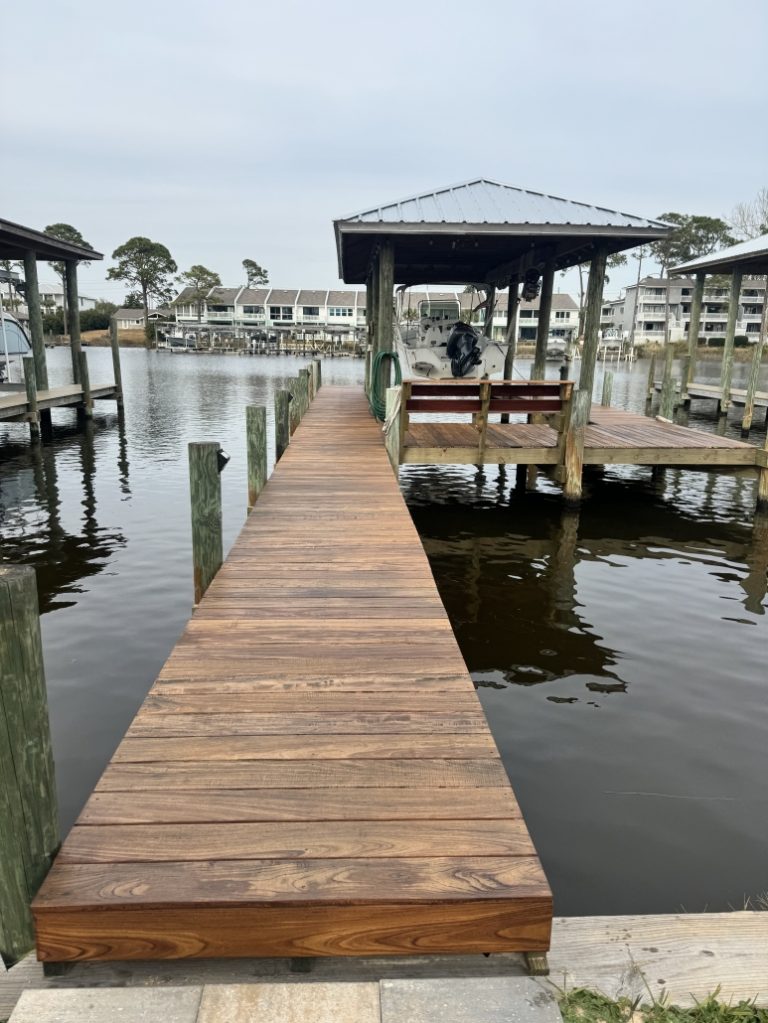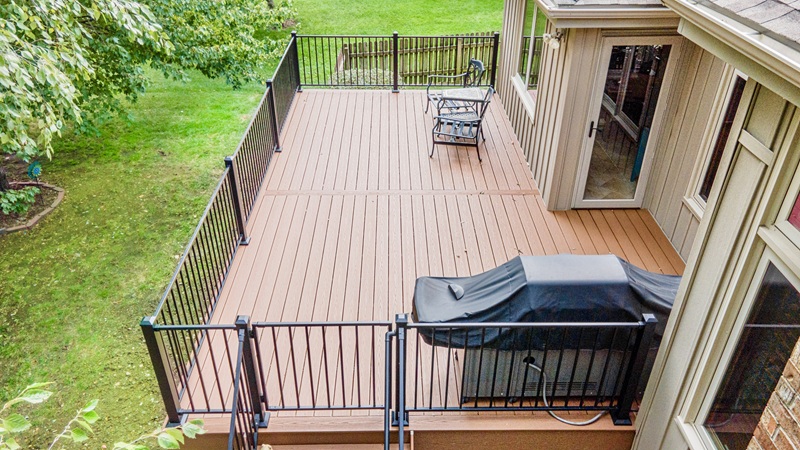
What High-Quality Outdoor Structures Have in Common in Australian Builds
In Australia, outdoor spaces aren’t just a bonus, but they’re part of everyday life. Kids run around barefoot, friends get together long after the sun sets, and weekend barbecues take place outside. As a result, Australians have higher expectations for their outdoor entertaining spaces, decks, and pergolas than just how they look. They must be long-lasting, feel sturdy, and withstand all sorts of weather. Although layouts and designs can differ, high-quality outdoor construction typically shares several characteristics. The use of well-designed elements, such as aluminium beams, which provide strength without requiring you to work with large or outdated designs, is one clear indicator.
What exactly separates a high-quality outdoor building from one that develops issues quickly? It usually comes down to wise decisions, environmentally friendly materials, sensible designs, and builders who prioritise long-term planning above urgency.
Built for Australian Conditions
Australia can be quite tough on buildings, especially outdoor ones. Scorching summer sun, sudden downpours, salty air near the coast, and major temperature changes all take a toll. High-quality outdoor structures are designed with this reality front and centre.
Rather than relying on materials that need constant attention, better builds use options that naturally resist corrosion, movement, and long-term wear. This helps protect not just the main structure, but also the fixings, finishes, and surrounding areas. The payoff is simple: an outdoor space that still looks good and works well years after it’s been built.
Strong Foundations and Framing
The best outdoor structures start with what you don’t see. Solid footings and well-planned framing are the backbone of any deck or pergola. When this part is done properly, everything above it feels sturdier, floors don’t bounce, posts stay straight, and the whole structure feels reassuringly solid.
On the flip side, poor framing can cause all sorts of issues over time, from uneven decking to noticeable movement. Quality builds focus on correct spacing, proper load distribution, and reliable fixing methods. It’s a bit like building a strong skeleton before worrying about how it looks on the outside.
Thoughtful Design, Not Just Good Looks
A great-looking space is useless if it doesn’t function properly, as high-quality designs strike a balance between style and practicality. That means thinking about how the space will actually be used, not just how it will be photographed.
In order to support heavy furniture and plenty of foot traffic without flexing, the deck should provide support, especially if it is meant for entertainment. A covered pergola must control shade, wind, and water flow. The most successful projects take all of this into account at the very beginning rather than attempting to address issues once construction is complete.
Consistency and Precision in Materials
Another thing quality outdoor builds have in common is consistency. Straight, uniform materials make a big difference during construction. They’re easier to work with, fit together better, and lead to a cleaner overall finish.
This becomes even more important when multiple features come together, such as stairs, balustrades, screens, lighting, or roofing. When everything lines up properly, the space feels intentional and well thought out, not like it’s been patched together over time.
Decks That Stay Solid Over Time
Decks are a favourite feature in Australian homes, but they’re also constantly exposed to weather and daily use. Heat, moisture, and movement can quickly show up if the structure underneath isn’t doing its job.
High-quality builds pay close attention to the substructure that supports the deck boards. A stable base, such as an aluminium decking frame, helps keep boards aligned and evenly spaced over the long term. This reduces movement, limits squeaks, and helps the surface boards wear more evenly. It’s not something you notice straight away, but you definitely notice when it’s missing.
Pergolas Designed for Real Use
Pergolas today do a lot more than provide a bit of shade. Many now support roofing panels, lighting, ceiling fans, and even outdoor cooking areas. All of that adds extra weight and stress to the structure.
Well-built pergolas are designed to handle those demands without looking heavy or overbuilt. That’s why aluminium pergolas are often chosen in quality Australian builds; they deliver strength and stability while keeping the design open and modern. The result is a space that feels solid but still light and inviting.
Low Maintenance as a Priority
In reality, most people don’t want to spend their weekends fixing or repainting outdoor structures. High-quality builds are designed with low maintenance in mind from the start.
That means choosing materials that don’t rot, attract pests, or need constant treatment. It also means paying attention to small details like drainage, airflow, and fixing points. Over time, those choices add up, saving homeowners time, money, and a lot of frustration.
Compliance and Safety Built In
Australian building standards are strict, especially when it comes to structural safety. Quality outdoor structures don’t treat compliance as a box to tick at the end; they’re designed to meet or exceed requirements from day one.
This approach simplifies approvals and inspections and, more importantly, ensures the space is safe to use. For elevated decks or roofed pergolas, that peace of mind is invaluable.
Long-Term Value and Sustainability
Well-built outdoor structures almost always offer better long-term value. They last longer, need fewer repairs, and keep their appearance over time. That durability also supports more sustainable building practices by reducing waste and replacement materials.
In Australia’s property market, buyers notice these things. A thoughtfully built outdoor space can be a major selling point, while a poorly built one can raise red flags.
Key Traits of Lasting Outdoor Builds
While every outdoor project is different, high-quality Australian builds share a clear pattern. They’re designed for local conditions, built on strong and accurate framing, use reliable materials, and focus on long-term performance rather than quick savings.
When all of that comes together, the result is an outdoor structure that doesn’t just look good when it’s finished; it continues to perform, add value, and support everyday living for many years to come.